What to Look for in a Bulk Dried Mushroom Supplier
The right supplier protects your menu, your production schedule and your brand. Use this checklist to evaluate any bulk dried mushroom supplier before you commit.
Whether you run a restaurant group, distribute specialty foods or manufacture packaged products, your dried mushroom supplier has a direct impact on your business. Inconsistent grading, missing paperwork or late deliveries can disrupt service and production. A reliable partner, on the other hand, makes your ingredient pipeline predictable. Here is what to look for.
1. Consistent Quality and Grading
Ask how mushrooms are selected, cleaned, sorted and graded. Consistent size and cut mean predictable rehydration, uniform portions and dishes that taste the same every time. Request samples from more than one lot to see how consistent the product really is.
2. Food Safety Certifications
Professional buyers should expect recognized food safety credentials. Look for:
- BRCGS (BRC) certification of the processing facilities
- FDA registration, and ask about the supplier's inspection history
- A documented food safety program with clear allergen and foreign-material controls
3. Organic and Kosher Options
If you serve organic or kosher markets, confirm that the supplier holds valid USDA Organic and Kosher certifications and that the specific products you plan to buy are covered. Our guide to organic and kosher dried mushrooms explains what to ask for.
4. Documentation and Traceability
Every shipment should be traceable. Before approving a supplier, check that they can provide:
- Product specification sheets
- Certificates of Analysis (COAs) by lot
- Country-of-origin information
- Lot codes on every case
5. Direct Sourcing vs. Middlemen
Each additional handler in the supply chain adds cost, time and risk. A supplier that imports directly and controls picking, sorting and processing has more control over quality and more visibility into supply. Learn more about the advantages of working with a direct dried mushroom importer.
6. Range of Varieties and Formats
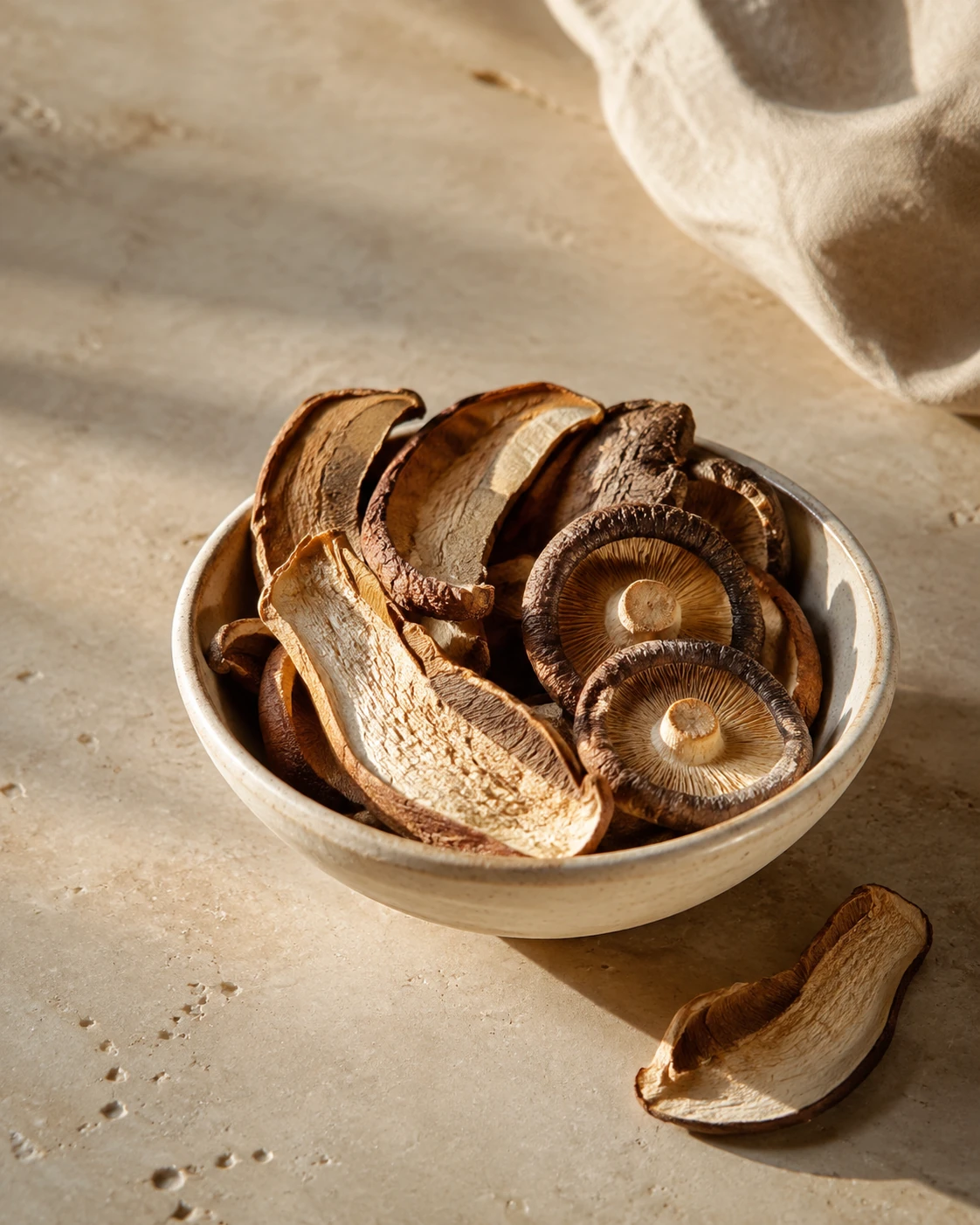
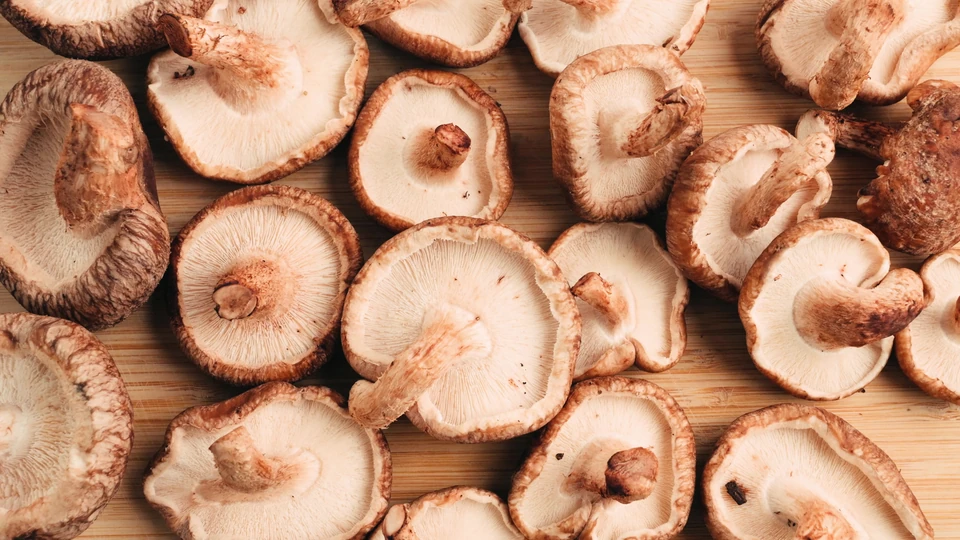
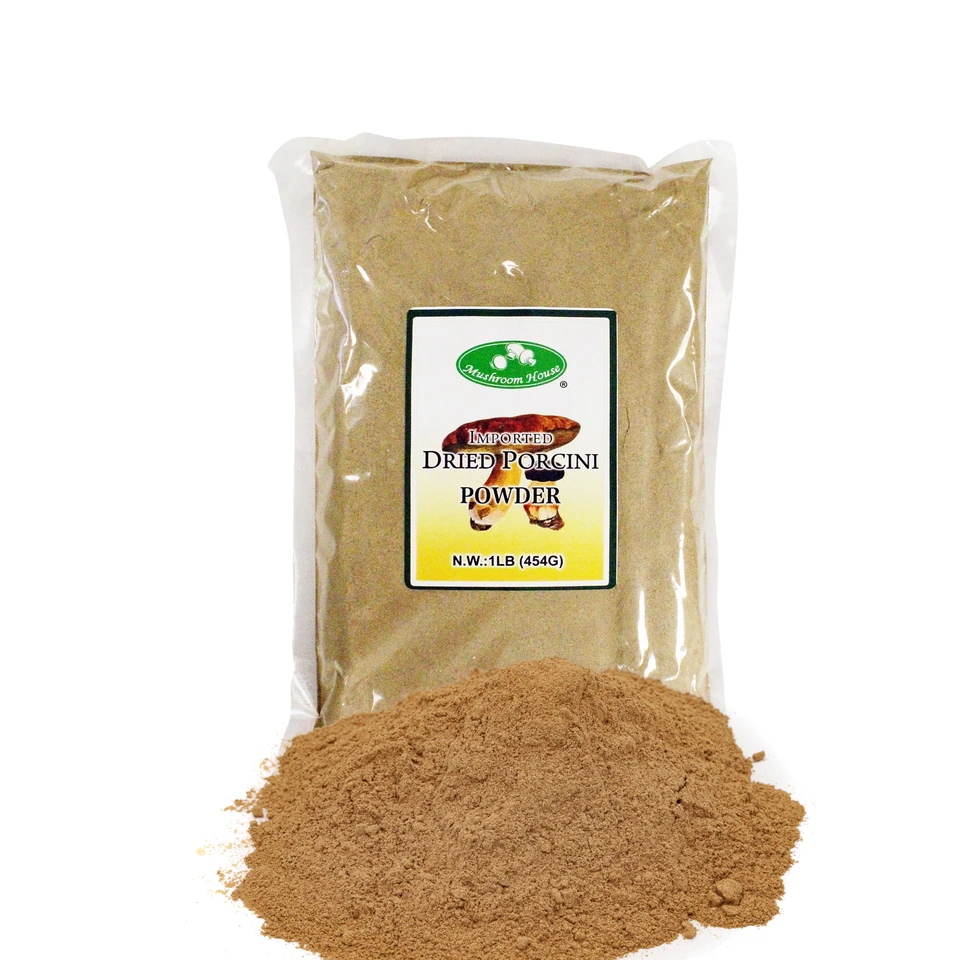
A broad catalog lets you consolidate purchasing with one partner. Check for the varieties you need, such as shiitake, porcini, morels, chanterelles and maitake, and the formats your operation uses, from whole caps and slices to kibbles and powders.
7. Flexible Volumes and Reliable Supply
Your supplier should be able to scale with you. Ask about order flexibility, typical lead times, how they manage seasonal availability for wild mushrooms and whether they can support custom orders for seasonal menus or new product launches.
8. Logistics and Location
Domestic warehousing shortens lead times and simplifies receiving. For businesses in the Northeast, a supplier with a New York warehouse can offer faster transit and responsive service.
9. Responsive, Knowledgeable Support
Good suppliers understand how their products perform in real kitchens and production lines. They can recommend the right variety or cut for an application, supply documentation quickly and help troubleshoot.
A Quick Supplier Checklist
- Samples from multiple lots reviewed
- BRCGS or equivalent food safety certification confirmed
- Organic and Kosher certificates checked, if required
- Specification sheets and COAs received
- Lead times and volume flexibility agreed
- Point of contact for orders and quality questions established
Why Buyers Choose Mushroom House
Mushroom House became the first U.S. importer of shiitake mushrooms from Japan, China and South Korea more than 25 years ago. Today we own and operate picking and sorting facilities across Asia, ship directly to our warehouse and processing center on Long Island, New York, and carry USDA Organic and Kosher certifications. Explore our wholesale program or contact our team to request samples and specifications.