Shiitake, Porcini or Morel: Choosing the Right Dried Mushroom for Your Menu
Every dried mushroom brings a different flavor, texture and role to the plate. This guide compares the most popular varieties so you can match the right mushroom to each dish.
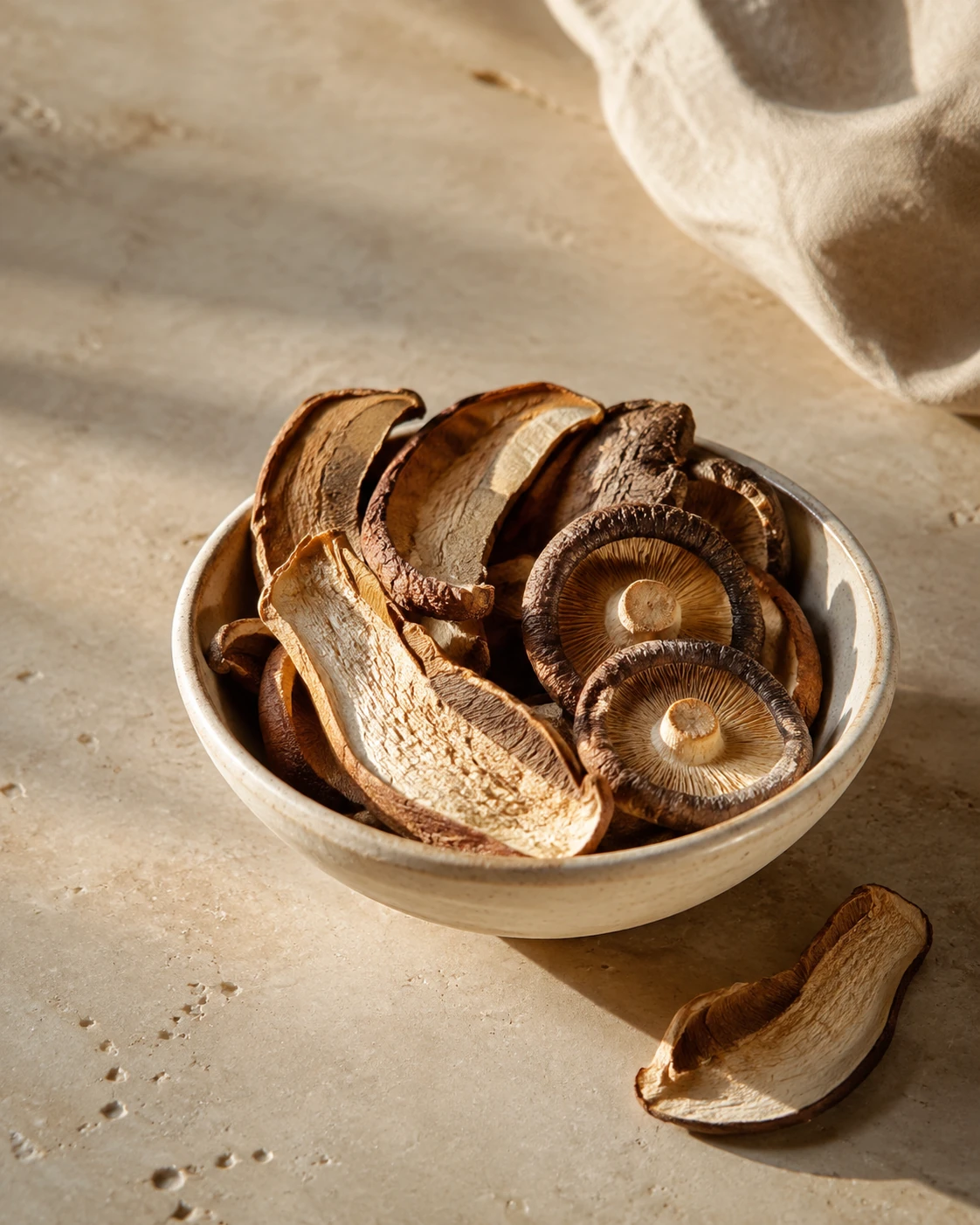
Choosing a dried mushroom is not just about flavor. Texture, rehydration time, appearance on the plate and how a mushroom behaves in a sauce or a production line all matter. For chefs, menu developers and food manufacturers, understanding the strengths of each variety makes it easier to build dishes that taste right and perform consistently.
Shiitake: The Versatile Workhorse
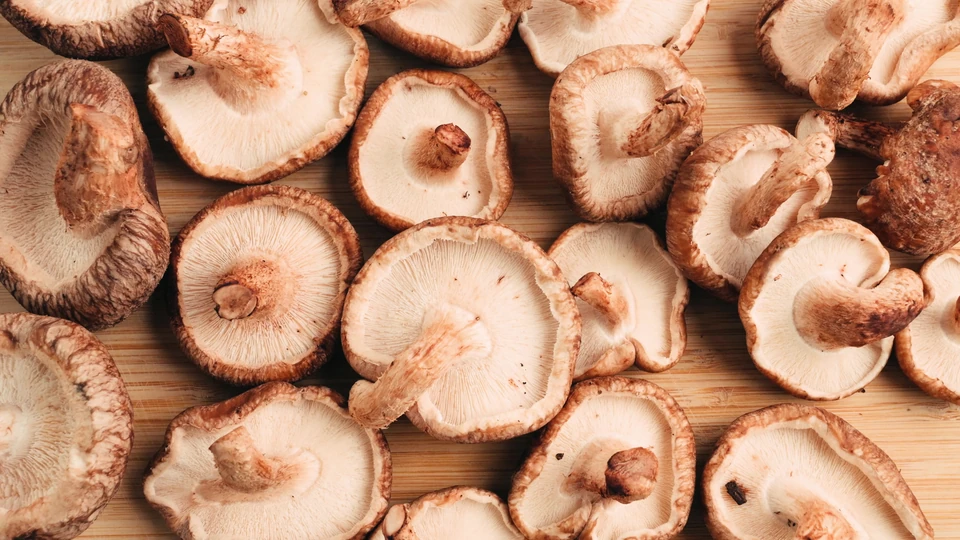
Shiitake are among the most widely used dried mushrooms in the world. Drying intensifies their savory, umami character, which makes them a natural fit for broths and sauces.
- Flavor: Deeply savory and earthy, with a smoky note
- Texture: Meaty and satisfying; caps stay firm after rehydration
- Best for: Ramen and noodle broths, stir-fries, dumpling fillings, rice dishes, plant-based entrees and stocks
- Formats: Whole caps for presentation, slices for speed, and kibbles or powder for manufacturing
Mushroom House introduced imported shiitake to the United States more than 25 years ago, and shiitake remain at the heart of our range.
Porcini: Rich and Earthy
Porcini are wild-harvested mushrooms prized in Italian and French cooking. Even a small amount of dried porcini adds a remarkable depth of flavor.
- Flavor: Rich, nutty and earthy with an intense aroma
- Texture: Tender when rehydrated
- Best for: Risotto, pasta sauces, gravies, braises, soups and stuffing
- Tip: The soaking liquid is one of the most valuable parts of porcini, so strain it and use it as a flavor base
Morels: A Fine-Dining Favorite
Morels are instantly recognizable by their honeycomb-like caps. They are a seasonal, wild ingredient, so dried morels are a practical way to keep them on the menu all year.
- Flavor: Complex, nutty and woodsy
- Texture: Delicate, with a striking appearance on the plate
- Best for: Cream sauces, sautés, stuffed preparations, egg dishes and seasonal tasting menus
- Tip: Rinse well after soaking to remove grit trapped in the cap, and always cook morels thoroughly
Wild Forest Mushroom Blends: Complexity in One Ingredient
A wild forest blend combines several varieties, such as oyster, porcini, wood ear and shiitake, into a single ingredient. It delivers varied textures and layered flavor without sourcing and mixing each mushroom separately.
- Flavor: Layered woodland character
- Best for: Hearty stews, signature sauces, stuffings, soups and gourmet side dishes
- Operational benefit: Fewer SKUs to manage and less prep time
Explore our Bulk Wild Mushrooms page for more on porcini, morels, shiitake and wild forest blends for professional kitchens.
Quick Comparison
- Strongest umami: Shiitake
- Richest aroma: Porcini
- Most visual impact: Morels
- Most variety in one ingredient: Wild forest blend
- Most versatile across cuisines: Shiitake
Choosing the Right Cut
The variety is only half of the decision. The cut you choose determines how the mushroom fits into your process:
- Whole caps look impressive and suit plated dishes where the mushroom is the star.
- Slices rehydrate faster and save knife work during service.
- Kibbles (diced pieces) give uniform size for soups, sauces, fillings and automated production. Learn more about mushroom kibbles for manufacturers.
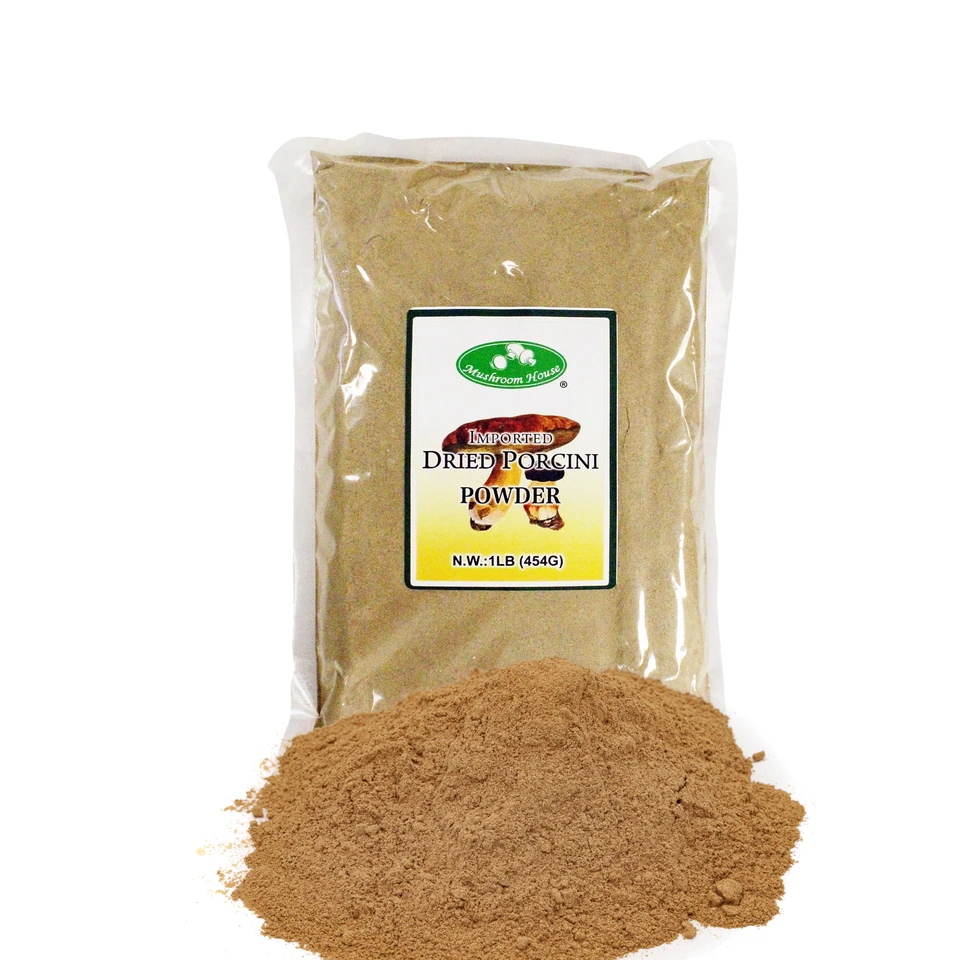
- Powders disperse evenly into seasonings, rubs, soups and sauces. See our wholesale mushroom powders.
Find the Right Mushroom for Your Menu
Not sure which variety or cut fits your application? Mushroom House offers shiitake, porcini, morels, chanterelles, maitake and more, sourced from over a dozen countries. Browse our gourmet dried mushrooms or contact us and our team will help you choose.