Mushroom Powder in Food Manufacturing: Uses, Benefits and Sourcing Tips
Mushroom powder adds natural, savory depth to products from soups to snack seasonings. Here is how manufacturers use it and what to check before choosing a supplier.
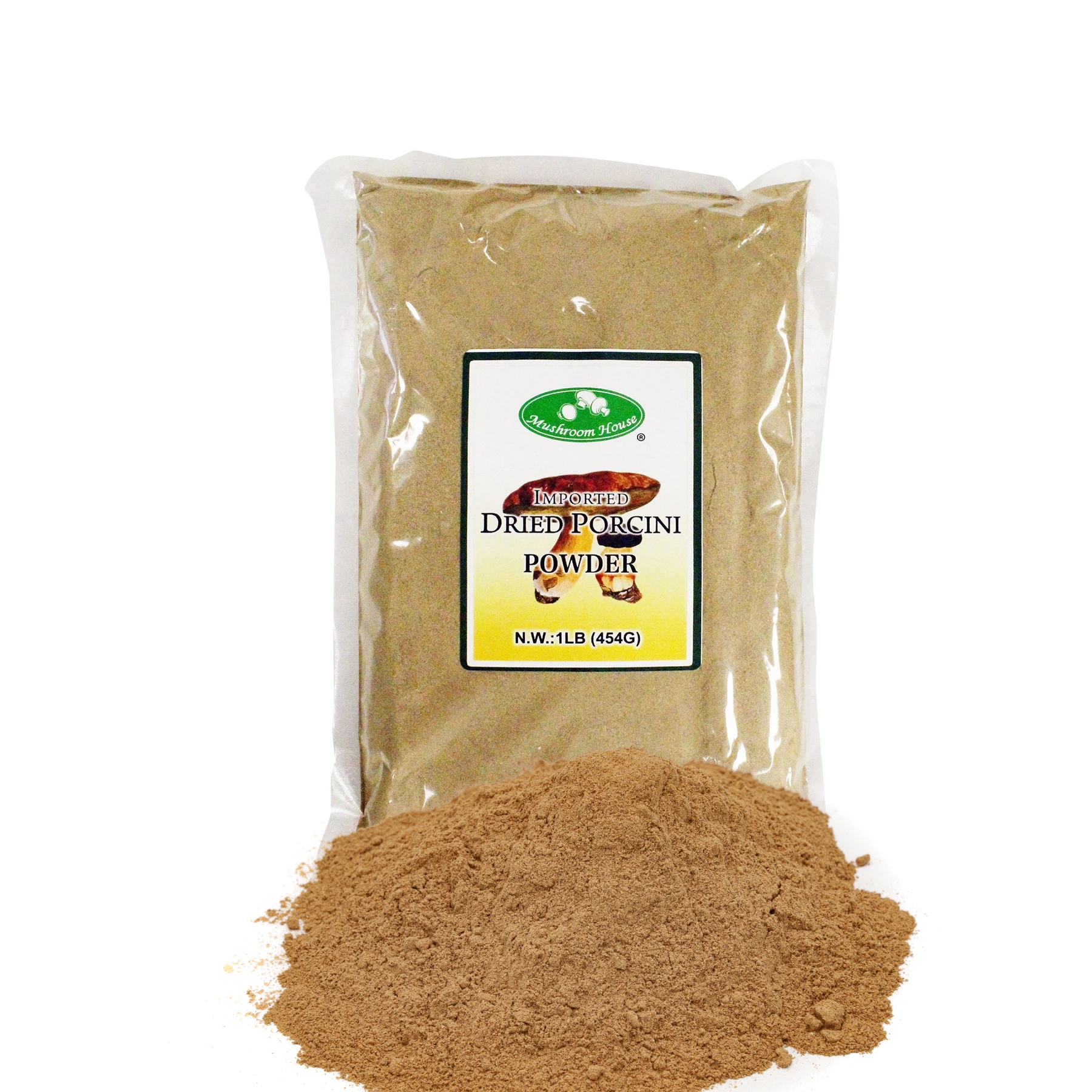
Mushroom powder has become a valuable ingredient for food manufacturers. Made by finely grinding dried mushrooms, it delivers concentrated mushroom flavor in a format that blends evenly, stores efficiently and fits easily into automated production. For R&D teams, it is a versatile tool for building savory depth with a clean, recognizable ingredient.
Why Manufacturers Choose Mushroom Powder
- Concentrated flavor: Drying and grinding concentrate the natural savory, umami character of mushrooms.
- Even dispersion: A fine, consistent particle size blends uniformly into dry mixes, liquids and coatings.
- No prep labor: Powder eliminates washing, slicing and grinding on the production floor.
- Efficient storage: It takes up little warehouse space and does not require cold storage.
- Clean-label appeal: "Mushroom powder" is a simple, familiar ingredient name for consumers.
Common Applications
Soups, Sauces and Gravies
Mushroom powder builds a rich, savory base in soups, sauces, gravies and ready meals, and it can deepen flavor without adding visible pieces.
Seasonings, Rubs and Snack Coatings
In dry blends, powder carries mushroom flavor evenly across every portion. It works well in spice rubs, instant noodle seasonings, popcorn and chip seasonings, and savory snack coatings.
Plant-Based Products
For plant-based burgers, sausages and other meat alternatives, mushroom powder contributes the savory depth that helps products taste satisfying.
Sodium-Conscious Formulations
Because mushroom powder adds savory flavor, many formulators use it as part of a strategy to build taste in products where they want to use less salt.
Porcini, Champignon or Shiitake?
The mushroom you choose shapes the final flavor:
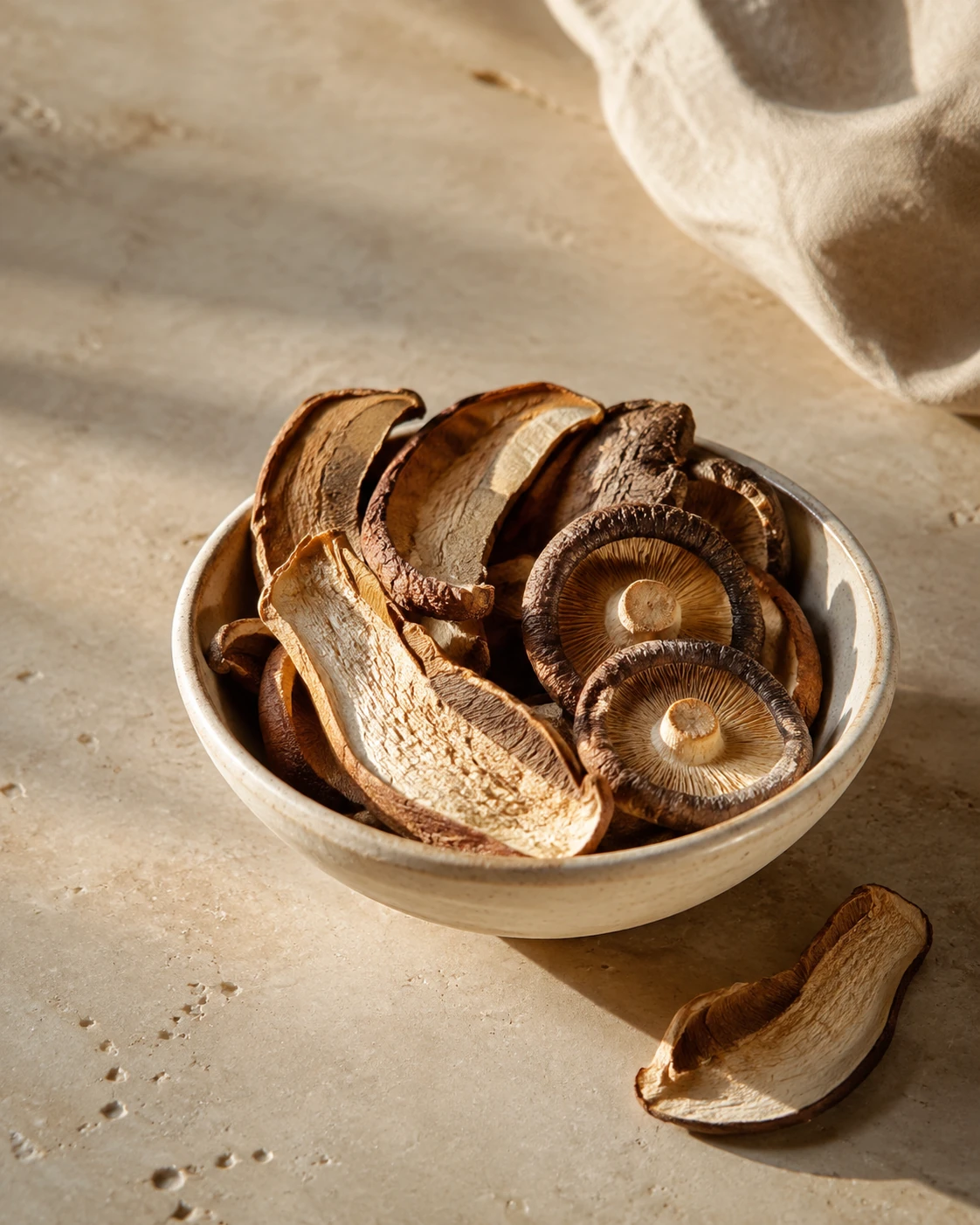
- Porcini powder offers a rich, earthy and aromatic profile suited to premium sauces, gravies and Italian-style products.
- Champignon powder gives a milder, versatile mushroom flavor that works across a broad range of applications.
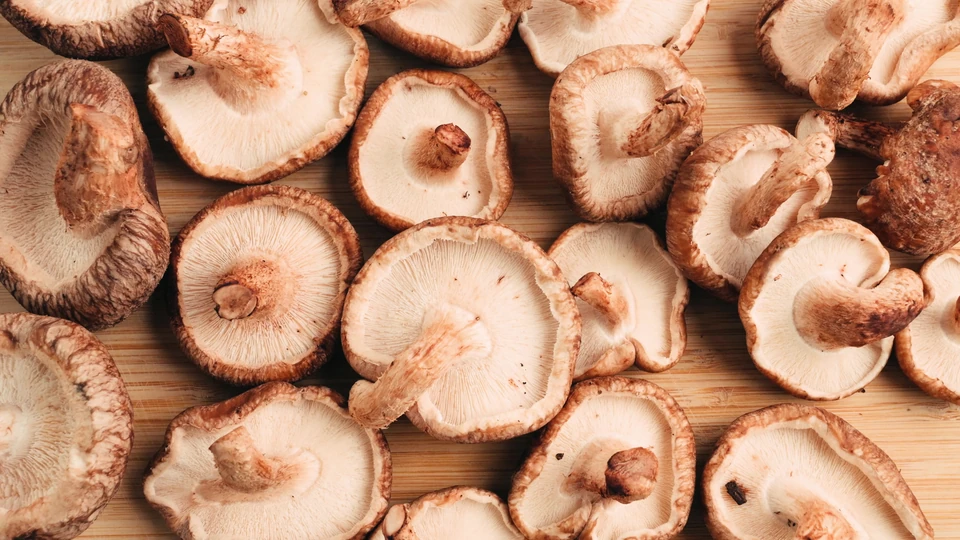
- Shiitake powder brings a pronounced savory, umami-forward profile, ideal for broths and Asian-inspired products.
What to Check When Sourcing Mushroom Powder
Before approving a supplier, ask for documentation and samples, and confirm that the product fits your specifications:
- Certificate of Analysis (COA) for each lot, covering moisture and microbiological results
- Product specification sheet with particle size or mesh, color, aroma and moisture limits
- Origin and traceability information, including lot coding
- Food safety certification of the processing facility, such as BRCGS
- Organic or Kosher certification, if your product requires it
- Samples for bench-top testing before committing to volume
- Supply continuity and realistic lead times for your production schedule
Handling Tips on the Production Floor
Mushroom powder absorbs moisture readily. Keep bags sealed until use, avoid opening them in humid areas, reseal partial packs immediately and use clean, dry scoops. When developing a new formula, start with a small inclusion rate and adjust in bench trials, since the intensity varies by variety.
Partner with an Experienced Supplier
Mushroom House supplies premium dried mushroom powders and other mushroom ingredients to food manufacturers, with over 25 years of sourcing experience and BRC-certified facilities. Explore our wholesale mushroom powders and mushroom manufacturing ingredients, or request a quote.